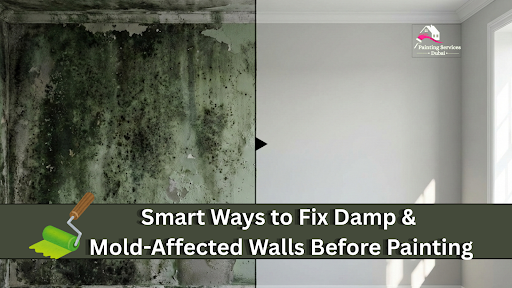
How to Fix Damp & Mold-Affected Walls Before Painting (So It Doesn’t Fail Again)
The room looks fine… But the smell? It lingers. That faint, damp odor. Especially after the AC runs.
You open windows. You clean. You ignore it.
🙄 But aren’t you wondering, “Why does a freshly painted wall still feel unhealthy?”
Wall dampness and mold don’t sit on the surface. They live inside the wall, and unless they’re treated properly, no paint will last.
In this blog, we break down some of the crucial signs your wall has dampness or mold, how the best painting services in Dubai conduct damp wall treatment before painting, and why skipping this essential step always leads to repeated problems.
Let’s get started…
Signs Your Wall Has Dampness or Mold (Before Paint Makes It Worse)
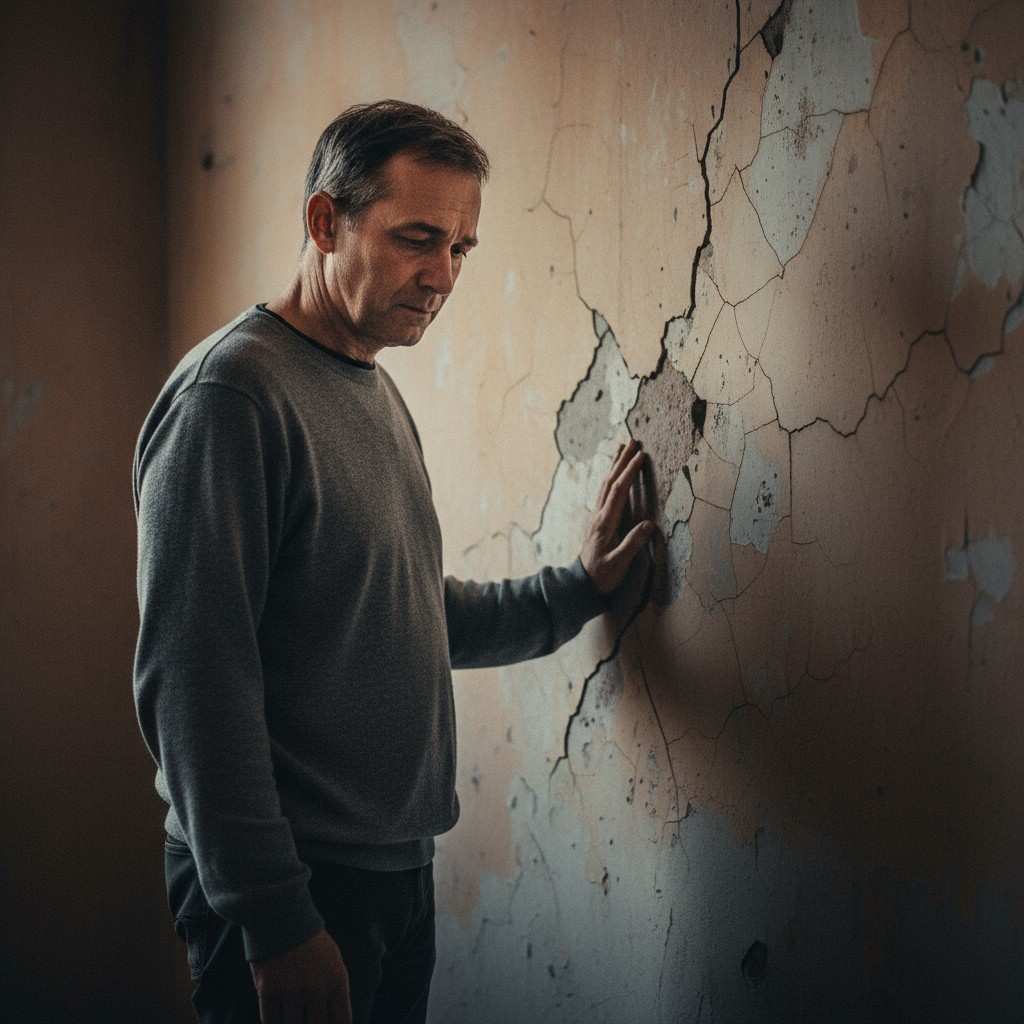
— Damp Patches That Keep Returning to the Same Spot
You repaint. It looks fine.
Then the same patch slowly comes back. Same corner. Same shade.
That’s not a coincidence for sure, right…
Damp walls can hold moisture inside, and that’s why the problem stays underneath. Paint can hide it for a time, but moisture always finds a way back out.
Watch for these clues:
- Dark or uneven patches that reappear
- Walls feeling cold or slightly wet to touch
- Paint drying slower in certain areas
💡 Data insight: Studies show moisture trapped in walls can take weeks or months to fully escape without proper treatment.
— Peeling or Bubbling Paint That Feels “Wrong”
Paint should age slowly. When it starts bubbling or peeling within months, something else is pushing it off the surface.
Moisture breaks paint adhesion from behind. You might think the paint quality failed. It didn’t. The wall did not accept it.
Common early signs:
- Small bubbles under paint
- Paint lifting in flakes
- Edges curling near corners or ceilings
You cannot argue with a damp wall. It always wins.
— Mold or Fungus That Returns Even After Cleaning
You wipe the mold away. It disappears. You feel relieved. Then it comes back. That’s because surface cleaning removes stains, not roots.
Mold grows inside porous walls where moisture stays trapped. Without proper treatment, it treats paint like a temporary cover.
What usually appears:
- Black, green, or grey spots
- Powdery or fuzzy textures
- Growth near AC vents or bathrooms
💡 Health insight: Mold spores can trigger allergies and breathing issues, especially in closed indoor spaces.
— Musty Smell That Paint Cannot Mask
Do you think your paint can remove the damp smell? Nope… Paint can cover stains, but it cannot erase smells. If a room smells even after repainting, there is still moisture in the wall. That smell becomes 2x stronger after you turn on the AC.
Smell clues include:
- Damp odor after cleaning
- Smell worsens during humid weather
- Odor returning weeks after painting
That smell is information, not an annoyance.
How to Fix Damp & Mold-Affected Walls Before Painting—(What Actually Works)
— You Dry the Wall Properly—Not “Give It a Day” and Hope
This part tests your patience. Walls don’t dry on your schedule, and moisture sits deep inside plaster and masonry.
Fans, ventilation, dehumidifiers, and time work together here. Note that painting starts only when moisture levels drop to safe limits, not when the surface FEELS dry to your hand.
What this step fixes:
- Prevents bubbling and blistering
- Stops stains from bleeding through
- Protects paint adhesion long-term
— You Start by Finding Where the Moisture Is Really Coming From
Before anything else, stop guessing. You might run to trace moisture. It might come from leaking pipes or trapped humidity. Until you know the source, every moisture fix stays temporary. This step feels slow, but it saves you from repainting the same wall again in six months.
— You Remove Mold From the Root, Not Just the Surface
This is where most DIY fixes fail. Wiping mold cleans what you see, not what lives inside the wall. Proper mold treatment kills spores at the root level and neutralizes new growth. The wall gets treated, not just masked. That difference decides whether the mold stays gone or it will quietly wait to return again.
What this step fixes:
- Eliminates recurring mold patches
- Improves indoor air quality
- Makes walls safe to seal and paint
— You Repair Weak Plaster and Damaged Areas the Right Way
Damp walls weaken plaster. Damp walls weaken plaster. It tends to soften and flake over time.
Don’t worry! Just remove the damaged areas, and use some moisture resistant compounds for repairs. With this, you’ll have it strong and sturdy again in no time!
Painting over weak plaster only delays failure. Fixing the structure first gives paint something solid to hold on to.
What this step fixes:
- Stops cracks from reopening
- Prevents peeling from weak surfaces
- Restores wall strength before painting
— You Use the Correct Primer—Only After Treatment Is Complete
Primer comes later, not first. Once walls are dry, clean, and repaired, the right primer seals the surface evenly. It blocks residual stains and balances absorption. This step prepares the wall to accept paint properly, not fight it.
What this step fixes:
- Prevents patchy colour results
- Blocks old damp marks
- Improves final paint finish
— You Improve Ventilation So the Problem Doesn’t Come Back
Fixing the wall without fixing airflow creates repeat damage. Bathrooms and closed rooms need better ventilation. Fresh air will keep moisture from settling again. Paint lasts longer when walls can breathe after treatment.
What this step fixes:
- Reduces future damp buildup
- Slows mold growth
- Protects long-term paint quality
— You Paint Only When the Wall Is Truly Ready
Now painting feels easy. The wall holds paint evenly, and the color stays rich. This is the difference proper preparation makes. Paint finally does what it’s meant to do—finish the job, not hide problems.
What this step delivers:
- Long-lasting paint results
- No peeling or bubbling
- Confidence that the job is done right
Why Painting Over Dampness or Mold Always Fails (And Costs More Later)
— Paint Traps Moisture Instead of Solving It
- Paint seals the wall surface, which works only when the wall is fully dry. On damp walls, sealing traps moisture inside instead of letting it escape.
- Trapped moisture pushes against the paint layer over time. This pressure weakens paint adhesion and causes bubbling or peeling.
— Mold Feeds Under Fresh Paint
- Mold survives without light and continues growing as long as moisture exists, and painting over mold creates a dark, sealed environment.
- Mold growth under paint slowly damages plaster and wall material.
- Indoor air quality and health risks increase when mold stays active.
— Damp Walls Ruin Even Premium Paint Finishes
- Usually, expensive or premium paint cannot overcome moisture inside the walls.
- Damp surfaces prevent proper bonding, no matter the paint quality.
- If you do proper damp treatment before painting, then it can extend paint life by 2–3 times.
- Your wall paint performs well only after moisture problems are fully resolved
— Repainting Without Treatment Wastes Time and Money
- Every repaint adds labor and disruption to daily routines.
- Without fixing dampness, repainting becomes a repeating expense.
- Costs increase instead of stopping because the root problem remains.
- Finishes often look uneven or patchy after repeated applications.
- Fixing the wall once prevents long-term frustration and delays.
— Professional Treatment Creates Paint That Actually Lasts
- Professional and the best painting services in Dubai teams inspect moisture and mold before any painting begins.
- Moisture and mold are treated and sealed properly before applying paint.
- This preparation process is why residential painting services Dubai avoid repeat complaints and early paint failure.
Wrap-Up: Fix the Wall First, Then Paint With Confidence
Damp and mold problems don’t start with paint. They start inside the wall. When you understand what causes dampness and how to treat it properly, everything changes.
Walls stay dry. Paint lasts longer. Homes feel healthier. Proper preparation protects your investment, no matter if you plan a small touch-up or a full repaint. And when the problem feels bigger than a DIY fix, choose only reliable residential painting services Dubai that ensure the job gets done right the first time.
🎨 Happy Painting…
Blog